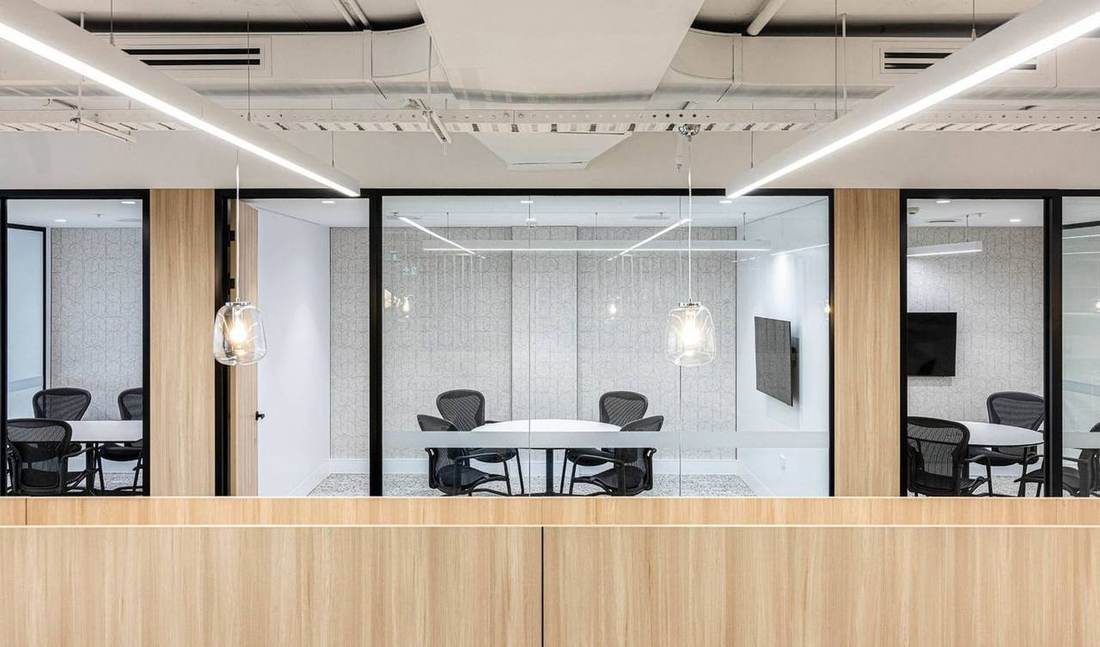
State-by-state approval guidance, requirements by shop type, 2026 cost benchmarks and a free calculator. Written for owners opening their first shop, and for the ones opening their tenth.
Approvals, certificates and cost levels are set by state, not nationally. Pick yours and the rest of this site narrows to that rulebook.
278 companies · approvals & costs
256 companies · approvals & costs
191 companies · approvals & costs
138 companies · approvals & costs
63 companies · approvals & costs
33 companies · approvals & costs
31 companies · approvals & costs
1,023 companies listed across 8 jurisdictions · 815 approval pages · 2026 cost benchmarks
Each sector carries its own cost band and its own approval triggers. These are the same seven sectors the calculator prices, so the number you get and the rules you read always match.

Cafés, restaurants, bars, takeaway
Cost, approvals & companies →
Shops, showrooms, pop-ups
Cost, approvals & companies →
Tenancy fit-outs, studios, co-working
Cost, approvals & companies →
Clinics, dental, allied health, pharmacy
Cost, approvals & companies →
Training rooms, tutoring, childcare
Cost, approvals & companies →
Gyms, studios, play centres
Cost, approvals & companies →
Industrial units, trade showrooms
Cost, approvals & companies →
A fit-out is six systems layered into one tenancy. Budget blows out when one of them is discovered late — usually services or fire.
Strip-out, asbestos check, waste removal, hoarding permits.
Glazing, entry doors, awning, signage zone. Approval-sensitive.
Counters, shelving, displays, kitchen and back-of-house.
Electrical, plumbing, mechanical, fire, data, grease and trade waste.
Floors, walls, ceilings, tiling, paint, feature lighting.
Access, egress, fire safety schedule, certificates before opening.
Full matrix with 14 work items and 8 states lives in the approvals guide. Here’s the pattern most people need first.
| Work item | Approval | Who signs off | What to know |
|---|---|---|---|
| Repaint, new floor coverings, loose furniture | Usually exempt | Only landlord consent | Cosmetic finish changes are not building work in any state. Check lease obligations and centre guidelines. |
| New joinery — counters, shelving, displays | Usually exempt | Often none; landlord consent | Fixed joinery that doesn’t alter egress, structure or fire systems is generally exempt. Keep exit paths clear. |
| Non-structural partition wall | Depends | Permit varies by state | Exempt in most states if it doesn’t affect egress, fire compartments or services. Always check with a surveyor. |
| Structural alteration or new mezzanine | Approval required | Building approval required | Needs structural engineering, building approval and often a fire upgrade. Never proceed without approval. |
| New or altered shopfront / façade | Approval required | Building + planning approval | Façade changes usually trigger planning consent (heritage, character, signage) plus building approval for glazing and egress. |
| Change of use (office → café, retail → gym) | Approval required | Development approval required | This is the big one. Every state requires development consent for a material change of use, then a building approval. |
| New commercial cooking / exhaust canopy | Approval required | Building approval + council conditions | Mechanical ventilation, fire suppression, grease-laden discharge and odour/noise conditions all apply. |
| Grease trap or plumbing alterations | Approval required | Plumbing permit + trade waste consent | Two separate approvals: the plumbing permit and the water authority’s trade waste consent. |
| Sprinkler, hydrant or fire panel changes | Approval required | Building approval + fire contractor | Fire services alterations require approval and licensed fire protection contractors; the fire safety schedule is updated. |
| Illuminated or projecting signage | Approval required | Council consent (may be exempt) | Small fascia signs are often exempt; illuminated, projecting or heritage signs need consent and sometimes building approval. |
| Outdoor dining / footpath trading | Approval required | Council permit | Separate footpath trading permit with furniture, insurance and clearance conditions. |
| Liquor licence / BYO authorisation | Approval required | State liquor authority | Runs parallel to building approval; the premises is inspected against licence conditions. |
| Food business registration | Approval required | Council or health authority | Required before opening for any business handling food — inspection of the completed fit-out. |
| Skip bin, hoarding or crane on street | Approval required | Council permit | Street occupation permits are separate and time-limited. |
Guidance only — confirm with your building surveyor or certifier.
Permitted use, landlord fit-out guide, services capacity, make-good obligations. Budget 2–3 weeks — plenty of leases are signed before anyone checks what council allows.
Design, documentation and approval run together. Most no-change-of-use commercial fit-outs get a CDC in about 20 days once the application is complete.
Be careful with the 10-day fast-track headline: it applies only to the NSW Housing Pattern Book low-rise housing pathway, not to shop fit-outs. A DA or council-track job needs 6 weeks or more, so start this before ordering anything.
Small kiosk or simple retail ~4 weeks. Standard shop or salon ~8 weeks. Café or restaurant with full kitchen ~12 weeks. Large premises ~14 weeks+. Services before finishes, inspections at hold points.
Occupation certificate, fire safety schedule, food and liquor inspections — usually 3–7 days once the build is done.
Licence thresholds, approval pathways, food and liquor registrations and fire regimes differ from state to state. Pick yours.
Building Commission NSW · no general commercial licence
Open NSW guide →Building and Plumbing Commission (BPC) · registered since 1 Jul 2025
Open VIC guide →Queensland Building and Construction Commission (QBCC) · trade licensing
Open QLD guide →Building and Energy (DEMIRS) · trade registration
Open WA guide →Consumer and Business Services (CBS) · development approval
Open SA guide →Consumer Affairs Tasmania (licensing) · council permits
Open TAS guide →Access Canberra · building approval
Open ACT guide →Building Practitioners Board (BPB) · practitioner registration
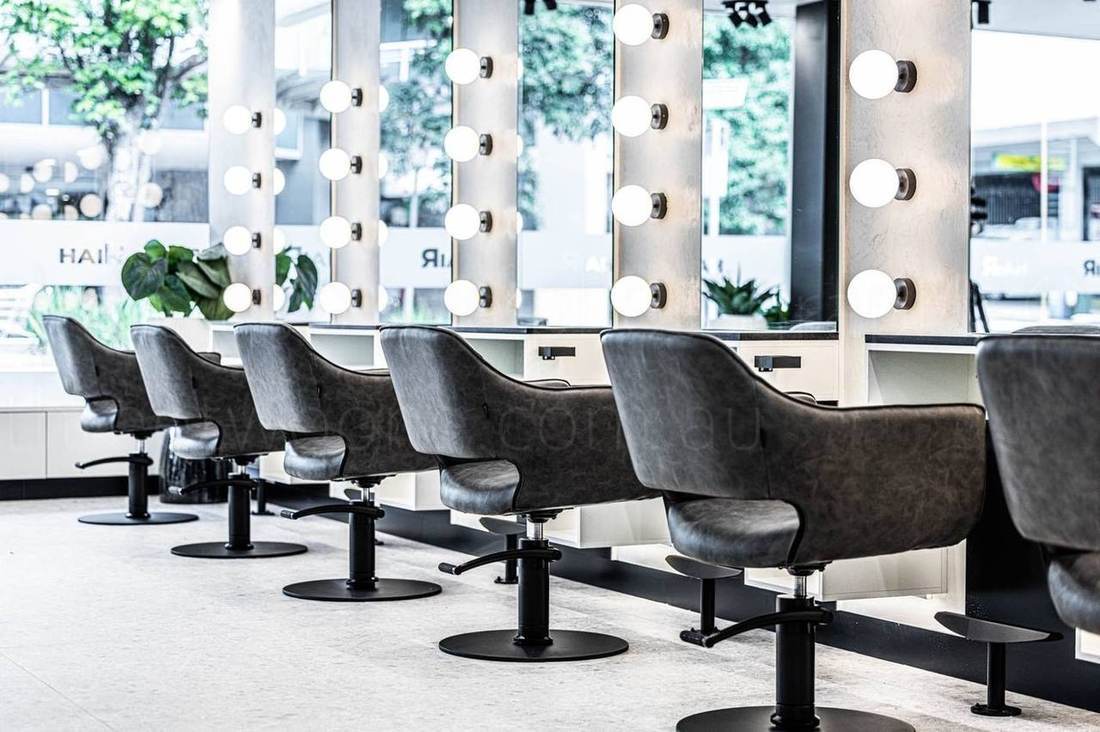
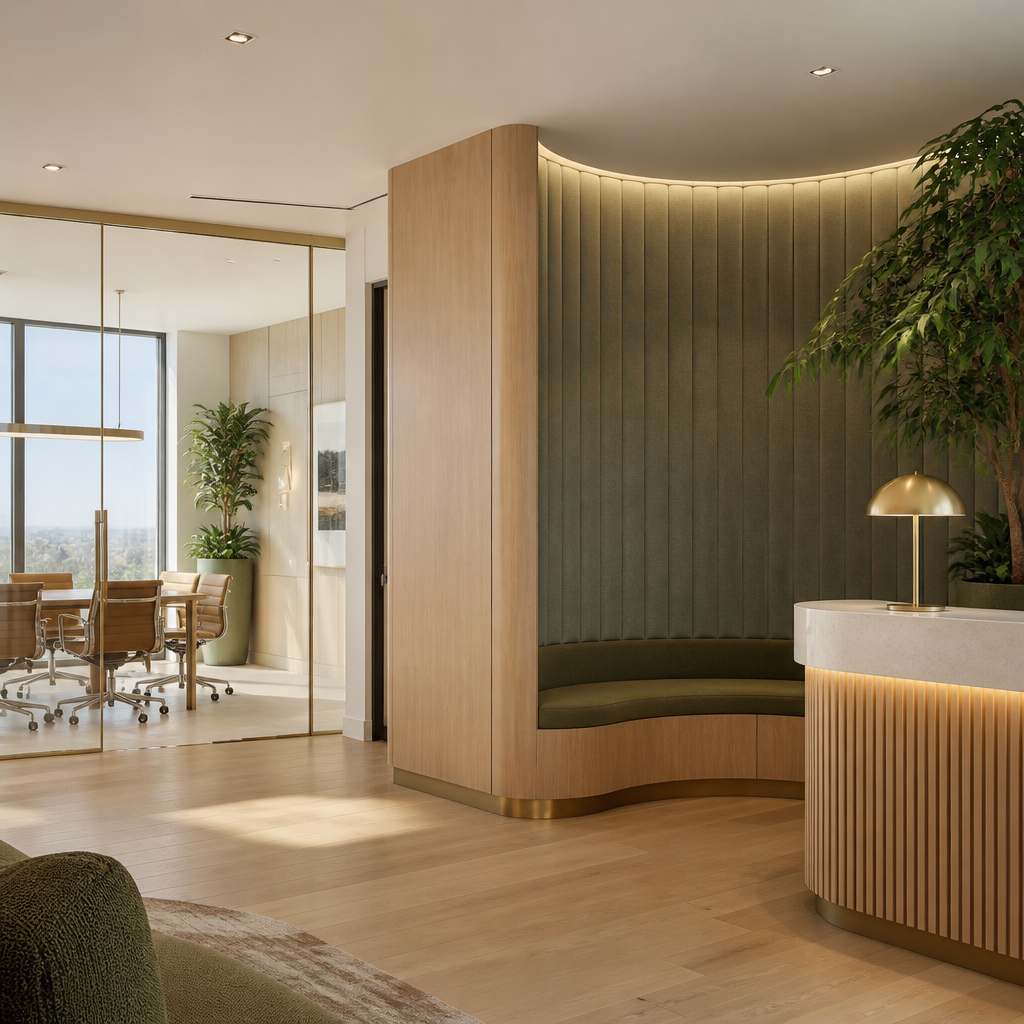
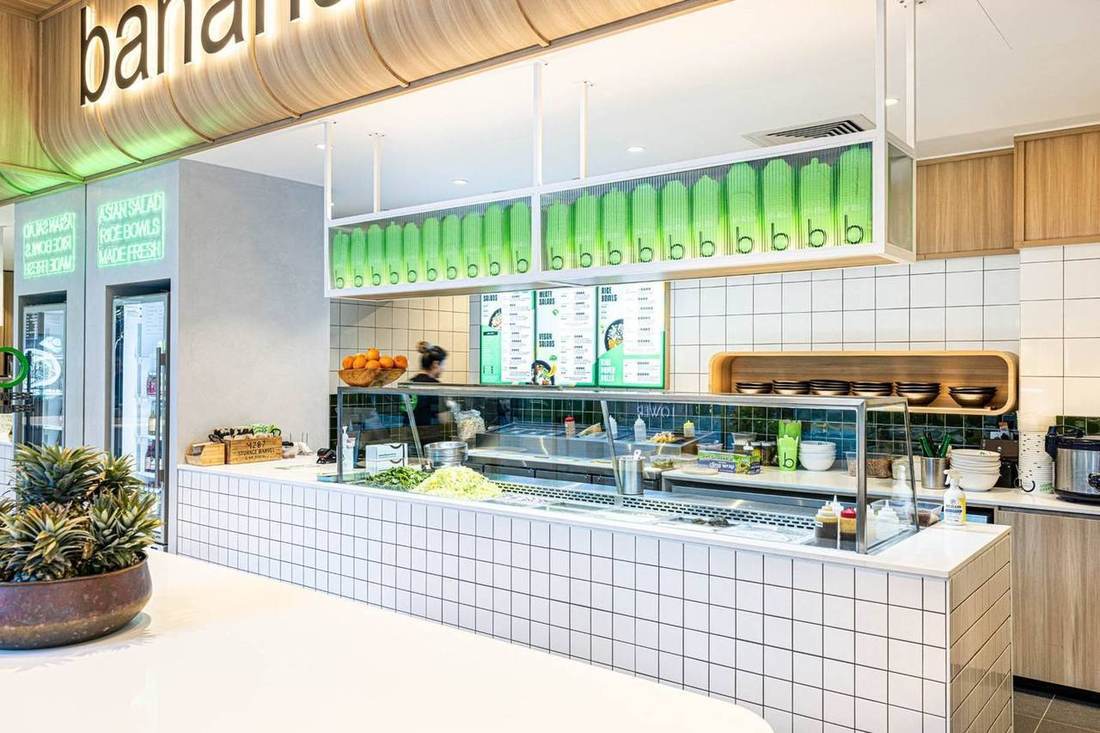
Open NT guide →A snapshot of commercial fit-outs across retail, hospitality, healthcare and workplaces.


The two questions every owner asks: what will it cost and how long will it take. Costs live in the calculator — durations are below. Treat every figure as a planning range, not a promise.
2–4 weeks for a straightforward retail or salon refresh; 4–8 weeks for hospitality with a commercial kitchen. Fast-track: pick a shopfitter who designs in-house and lock the brief in one meeting.
Cosmetic work: none beyond landlord sign-off (days). Change of use / structural / kitchen exhaust: 2 weeks to 6 months depending on state and council. Start this clock before anything else — see the approvals guide.
Small shop / refresh: 4 weeks. Standard retail or salon: 8 weeks. Café or restaurant with kitchen: 12 weeks. Large or multi-level flagship: 14 weeks.
Four to sixteen weeks covers every shop fit-out — add a buffer if the tenancy needs base-building services upgrades by the landlord.
2–4 weeks. Final inspection, occupation certificate, fire safety statement. You cannot legally occupy the tenancy before the occupation certificate is issued — budget this, do not discover it in week one of trading.
Simple refresh (cosmetic only): 6–10 weeks · Fast-track possible with approvals already in place
Standard retail or salon: 10–16 weeks
Café / restaurant with new kitchen: 16–26 weeks
Anything structural, heritage or façade: 6–12 months — approvals dominate, not construction.
Every year, from roughly mid-December to mid-January, the entire Australian building industry stops. Not slows — stops. If your project touches that window, add 4–6 weeks regardless of scope.
Approvals, inspections and occupation certificates sit untouched. A certifier booking in November may not return until late January.
Joinery, lighting, fixtures — nothing ships. Long-lead items ordered in November often arrive in February.
Good shopfitters are fully committed before Christmas — everyone wants doors open for the festive trade. If you want a January or February opening, you need to be quoting in September–October.
Retail and hospitality make a huge share of annual revenue in December — which is exactly why every fit-out is rushing the same deadline, and why costs and availability tighten.
Open before the rush or plan cleanly for the new year.
Boss tip: if your timeline lands near December, either pull the build forward to finish by early December, or push the start to mid-January and use the break for design, approvals and ordering.
Do not let a build run across the shutdown — sites sit idle and you still pay rent.
Sector, size, state and upgrade level. Range-only output — presented as an estimate, not a quote.


Free, public contacts for fit-out companies across all eight states and territories. Searchable, no signup.