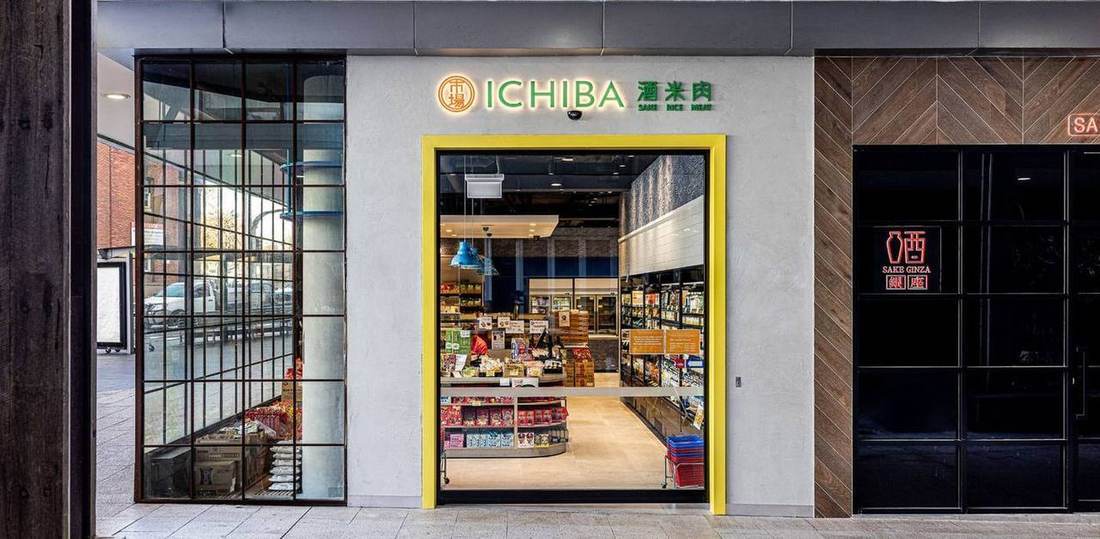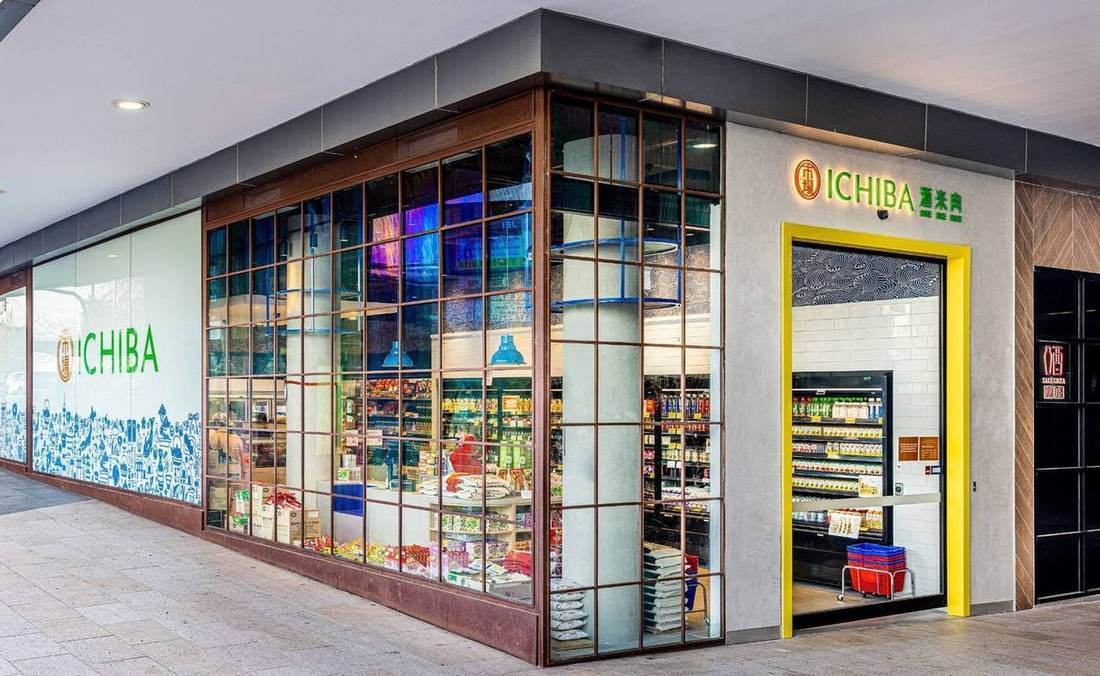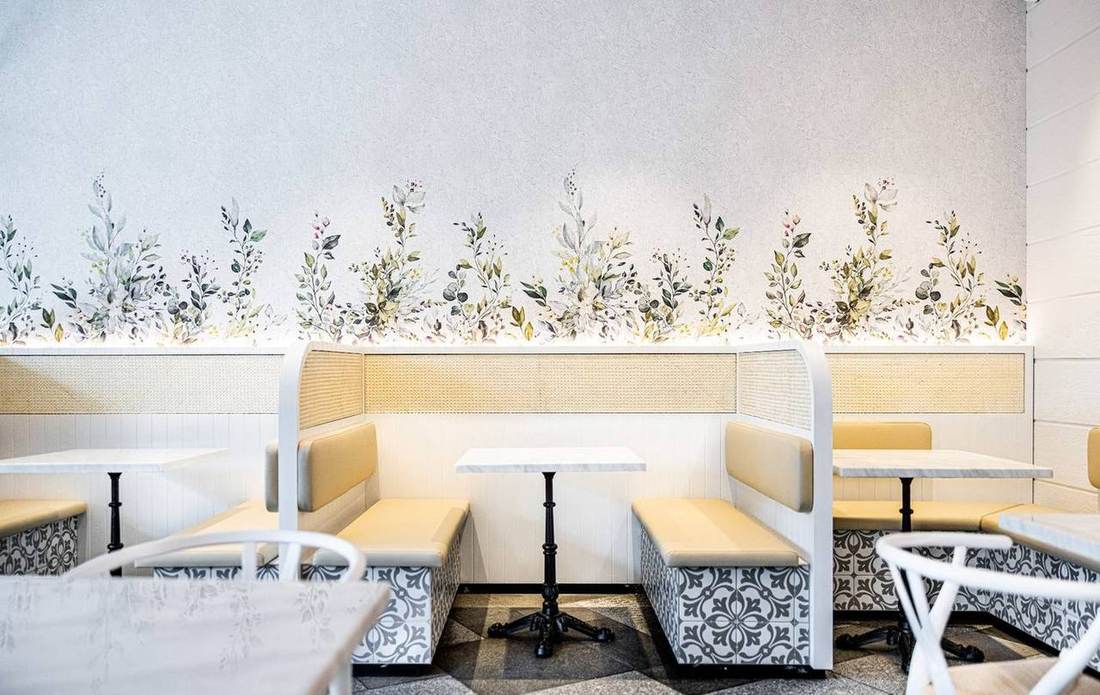
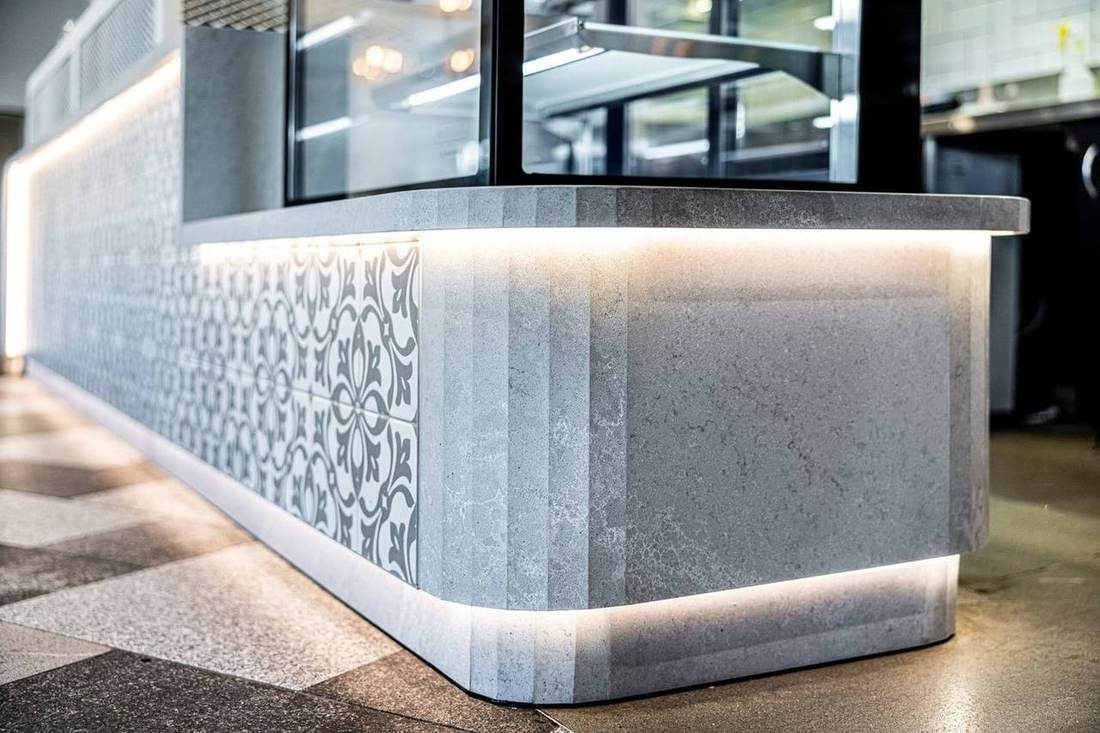
From tenancy selection to occupation certificate — the sequence that keeps approvals, trades and your opening date from colliding.
Every fit-out that blows its programme does so for one of three reasons: the use wasn’t approved, a service didn’t exist, or a variation wasn’t documented. All three are solved before site start.
Searching typically takes 4–6 weeks in a normal market (market-based planning estimate, not an official figure), longer if you need a grease riser, three-phase power or a specific foot-traffic position.
Before you sign: permitted use, landlord fit-out guide, services capacity, floor loading and make-good obligations. A cheap tenancy with no grease line is not cheap.
Bring the shopfitter or designer in early. Layout, joinery, services and compliance resolved together — not value-engineered after approval. Runs in parallel with the tail of the tenancy search.
Certifier or building surveyor reviews the design and lists what is triggered. Straightforward change of use or fit-out on a non-heritage, non-flood site can go CDC (10–20 business days). A DA is months.
Approvals, not construction, are what blow the programme.
Three itemised quotes, scope exclusions in writing, programme with liquidated damages, licence number on the contract. Do not tender before the pathway is known — the scope moves.
Building approval, plumbing permit and trade waste consent in hand. Demolition and make-safe first, then services rough-in.
Services and framing, then joinery install, then finishes. Duration is set by type and size, not by wishful thinking — see the table below. Every variation goes back through the certifier.
Final building inspection, fire services certification, food/liquor inspection, then the punch list.
Certificate in hand, fire safety schedule filed, warranty documents and as-built drawings delivered.
| Fit-out type | On-site duration | What dominates |
|---|---|---|
| Minor / small shop — joinery, paint, lighting, no services | 4 weeks | Joinery lead time |
| Standard retail or salon | 8 weeks | Shopfront, joinery, services adjustments |
| Café / restaurant with commercial kitchen | 12 weeks | Exhaust, grease, fire, kitchen install |
| Large or multi-level flagship | 14 weeks | Structure, façade, services upgrade |
| Realistic envelope for any shop fit-out | 4–16 weeks | A competent shopfitter lands inside 16 weeks unless approvals or base-building works intervene |
Get a benchmark range for your size, sector and state before you sign the lease.